On-Grid
Connected to the utility grid, with no batteries. It is the usual choice for reducing electricity bills, and it switches off during a grid outage for safety.
Best for: sites with a reliable grid supply
Learn how solar power works, find the system that suits your needs, and get an initial estimate of what it could cost.
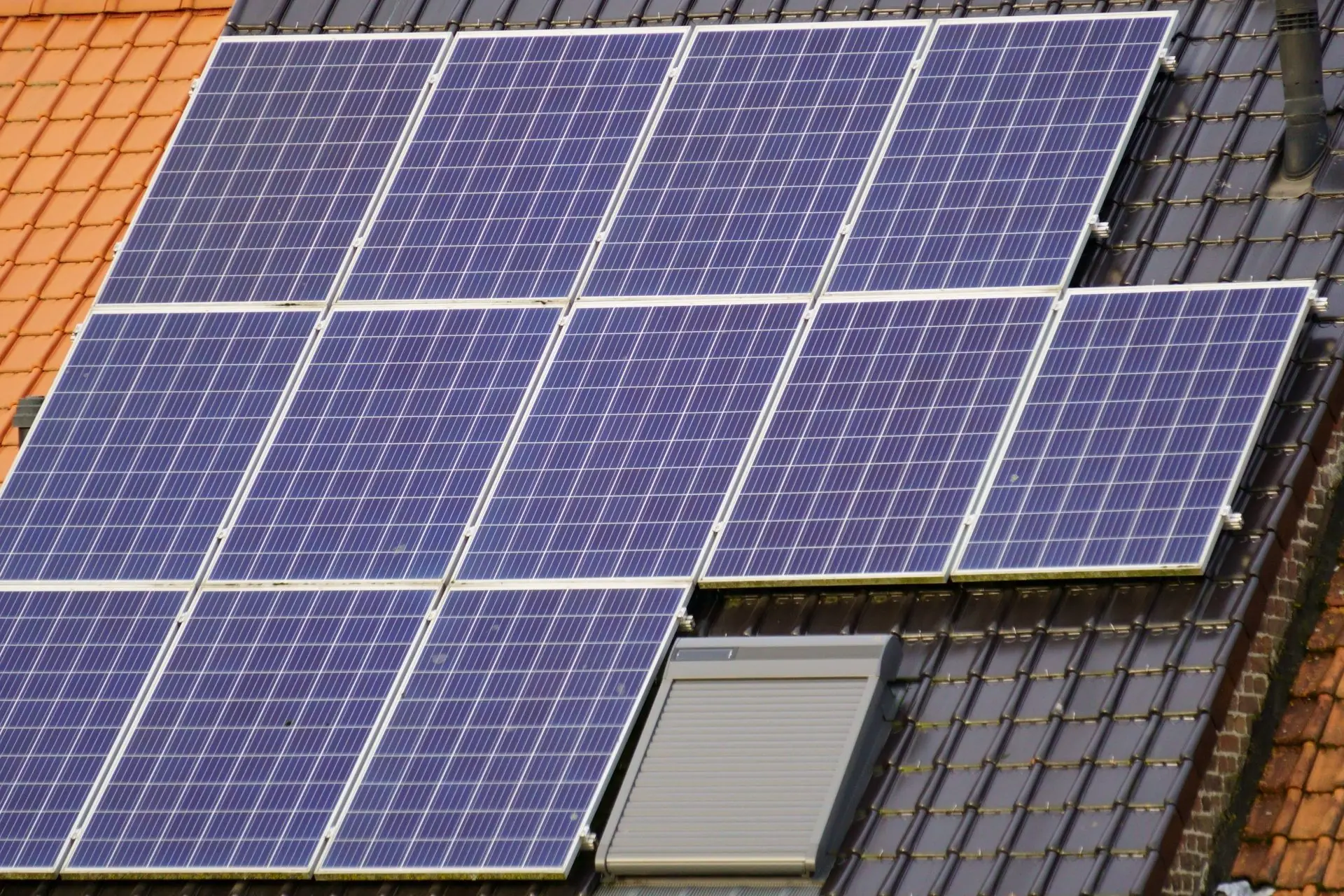
Solar panels convert sunlight into electricity that can power homes, businesses, farms, and factories. A properly designed system reduces the electricity you buy from the grid and lowers your monthly bill.
Solar panels on your roof or land turn sunlight into DC electricity.
The inverter changes DC electricity into the AC power your appliances use.
Your home or business uses solar power first, so you draw less from the grid.
Depending on your system, surplus power can charge batteries or go to the grid where net metering is approved.
The right choice depends on your energy use, your grid supply, and whether you need backup power.
Connected to the utility grid, with no batteries. It is the usual choice for reducing electricity bills, and it switches off during a grid outage for safety.
Best for: sites with a reliable grid supply
Connected to the grid with battery storage. Batteries keep selected loads running during an outage and can store solar power for later use.
Best for: sites with regular load shedding
Runs independently of the grid, using solar panels and batteries. The system is sized to supply the full load on its own.
Best for: remote sites with no grid connection
At ARPS, we believe solar energy is the most attractive source for generating power, especially in our country.
Generate your own power and buy less from the grid.
Sunlight is free, so running costs stay low once the system is installed.
Solar systems run largely unattended and need only nominal maintenance.
A well-installed system keeps producing power for many years.
Capacity can be extended later as your energy needs grow.
Solar power produces no noise pollution or carbon emissions in operation.
Enter your monthly electricity consumption to receive an initial estimate of the solar system capacity, equipment requirements, and installation cost.